There has always been a question about why all of the different antidepressants, with a few
exceptions, have been found to work more or less well in treating Major Depressive Disorder.
While some studies have suggested that different medications are significantly more effective, all
of these medications were better than placebo and differences in clinical significance as opposed
to statistical significance have resulted in similar findings. While some classes or individual
medications work better with some individual people, there has been no clear explanation for
similar effectiveness rates found despite different classes working on different systems. This
question has underscored just how much variance exists in depression.
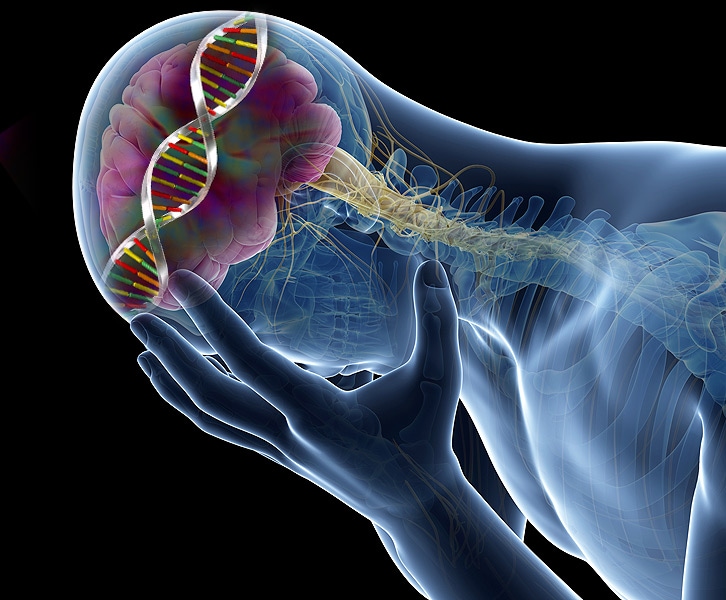
Now, new cutting edge research examining the genetic foundations of depression in detail has
increased the hope of identifying better effective treatments for this mental difficulty. Researchers
have identified no fewer than 44 gene variations that have been associated with an increased risk
of developing depression. Of the variations identified, 30 have never been associated with the
condition previously. At the same time, it has been reiterated that there are thousands of genes
related to depression, each with a very small effect on the actual development of the disorder. This
research provides additional information on other genes that may be more significantly related to
the disorder or that may affect groups of other genes to increase or decrease the risk.
This research has tripled the number of genetic regions that have been linked to major depression.
In addition to providing new targets for possible treatment, these findings may help explain why
some people are affected by the disorder and others aren’t, even when they have similar life
experiences. This research may also help explain broader depression related phenomena. For
example, it might help determine whether when genetic predispositions to the disorder are low this
indicates a greater ability to resist the effects of life stress.
Investigations into different contributors to depression have indicated that genetic factors account for
about 40 percent of the risk factor while other biological factors, environment and life experiences
account for the remaining 60 percent. This emphasizes the importance of remembering that there are
a number of areas that can be targeted when treating depression. While genetics appears to contribute
a great deal to the development of depression, life experiences and environmental influences contributing
to and maintaining the disorder cannot be ignored.
References
Cipriani, A., Furukawa, T. A., Salanti, G., Chaimani, A., Atkinson, L. Z., Ogawa, Y., & Egger, M.
(2018). Comparative efficacy and acceptability of 21 antidepressant drugs for the acute treatment of
adults with major depressive disorder: a systematic review and network meta-analysis. The Lancet.
(2018). Comparative efficacy and acceptability of 21 antidepressant drugs for the acute treatment of
adults with major depressive disorder: a systematic review and network meta-analysis. The Lancet.
Corfield, E. C., Yang, Y., Martin, N. G., & Nyholt, D. R. (2017). A continuum of genetic liability for
minor and major depression. Translational psychiatry, 7(5), e1131.
minor and major depression. Translational psychiatry, 7(5), e1131.
Harris, J. D., Brand, J. C., Cote, M. P., Faucett, S. C., & Dhawan, A. (2017). Research pearls: The
significance of statistics and perils of pooling. Part 1: Clinical versus statistical significance. Arthroscopy,
33(6), 1102-1112.
significance of statistics and perils of pooling. Part 1: Clinical versus statistical significance. Arthroscopy,
33(6), 1102-1112.
Monden, R., Roest, A. M., van Ravenzwaaij, D., Wagenmakers, E. J., Morey, R., Wardenaar, K. J.,
& de Jonge, P. (2018). The Comparative Evidence Basis for the Efficacy of Second-Generation
Antidepressants in the Treatment of Depression in the US: A Bayesian Meta-Analysis of Food and
Drug Administration Reviews. Journal of affective disorders.
& de Jonge, P. (2018). The Comparative Evidence Basis for the Efficacy of Second-Generation
Antidepressants in the Treatment of Depression in the US: A Bayesian Meta-Analysis of Food and
Drug Administration Reviews. Journal of affective disorders.
Wray, N. R., & Sullivan, P. F. (2017). Genome-wide association analyses identify 44 risk variants and
refine the genetic architecture of major depression. bioRxiv, 167577.
refine the genetic architecture of major depression. bioRxiv, 167577.

